
Interpretation Trumps Inspiration
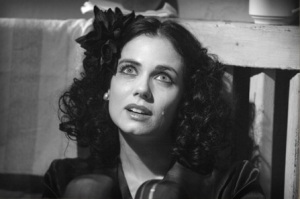 Rather than merely join the chorus of those who dismissed Brian De Palma’s The Black Dahlia, and rather than cast a dissent from the general critical favor accorded The Illusionist, I’ll respond to critics I enjoy and respect whose perspectives on these movies differ significantly from mine.
Tagged: Brian De Palma, James Ellroy, Magic, Neil Burger, Reviews, The Black Dahlia, The Illusionist
 Because I do have a memory – not a very good one, but a memory nonetheless – I can save myself some work by providing Rupert Murray – the filmmaker behind Unknown White Male – with a few lessons I’ve learned from other movies and simply link to previous essays.
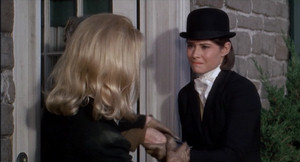 Marnie is narratively and technically artless – literal and obvious and shrill and nearly naked in its themes and concerns, a story clumsily built around Freudian repression. Yet Marnie is not the travesty many people think.
 Year-end lists of the best albums of the past 12 months are cruel, because either you’ll go bankrupt buying all these fantastic records or you’ll resent how much great music you’re missing because you can’t afford to buy them. I’m not typically a nice person, but these are the holidays, so my year-end list is something that most anybody can afford.