
Box Office Power Rankings: December 21-23, 2007
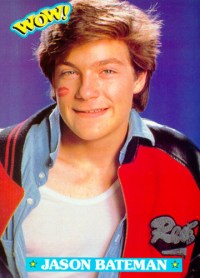 Even if it weren’t against two of my least favorite movie personalities – Tim Burton and Nicolas Cage – I’d root for Juno just because of Jason Bateman. Look at his list of credits and see a sad litany of roles in things few people remember beyond the punchline of Teen Wolf Too. Arrested Development resurrected his career, but it also made Scott Baio and Henry Winkler look good; true redemption requires parlaying success into more success. (No, mere resurrection just isn’t good enough these days, Jesus.)
Tagged: Box Office, Box Office Power Rankings
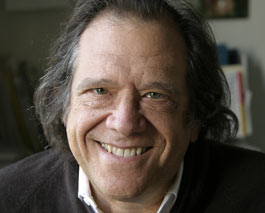 A foolish person doesn’t recognize that one can learn much from opponents. So liberals have begun to understand that they need God on their side as much as the Christian Right does. The lesson from conservatives, said Rabbi Michael Lerner, is that it’s okay to base policy on faith and spiritual values, and it’s important to stand up for what you believe in. “When they come to a decision about what they believe in, they fight for it,” he said of the Christian Right in a recent interview. “And they’re willing to lose an election for the sake of what they believe in.”
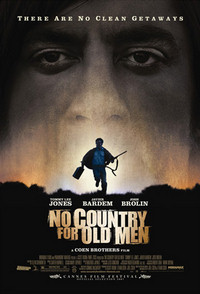 My first thought after watching Joel and Ethan Coen’s No Country for Old Men – amid groans from others in the theater – was that I understood why some people hate it.
 Two case studies: Sometimes and somehow, the music video can do things (beyond the song) that seem impossible in any other format, regardless if the aims are serious or silly.
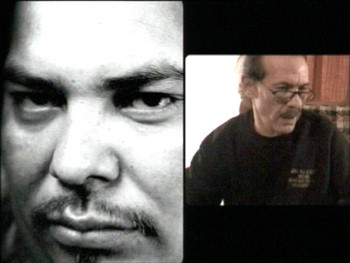 The guy who dominates Stefan Nadelman’s documentary short Terminal Bar could be related to Robert Crumb, both in his physical features and his matter-of-fact way. He talks about everything from death by alcohol to bathroom blowjobs to the “destituted” people who frequented the titular establishment where he tended bar for a decade. And like the famous cartoonist Crumb, he seems perpetually amused, and it looks suspiciously like a defense mechanism.
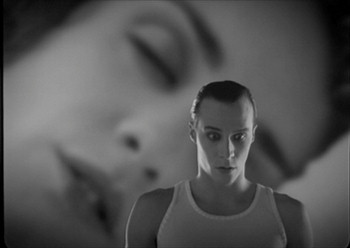 An object within an object of the same type – the novel within a novel, the film within a film – is rarely considered out of its context. Its meanings, and its narrative or thematic roles, are derived from its conversation with the larger work. But if the object is nearly whole – that is, if it’s not just a fragment, if we have a reasonably full sense of its shape, structure, and content – looking at it in isolation can bear fruit and is an act of respect.