
Haiku Squared: Ravenous
Sick sick sick movies.
Eat some people, fuck the dead.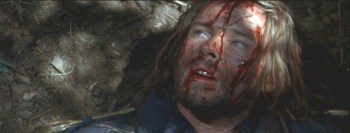 It’s time for haiku!
Are you Ravenous?
Do you see the potency
That human meat gives?
Guy Pearce, his cheekbones,
Gold-rush cannibalism –
What’s there not to like?
Tagged: Antonia Bird, Cannibalism, Haiku, Horror, Poetry, Ravenous, Reviews
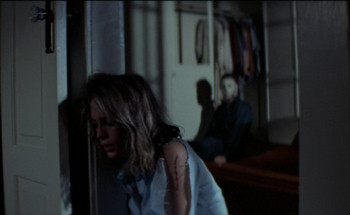 With Rob Zombie’s remake in theaters this weekend, I thought it would be a good opportunity to explore why Michael Myers (or “The Shape”) worked so well in John Carpenter’s 1978 movie Halloween.
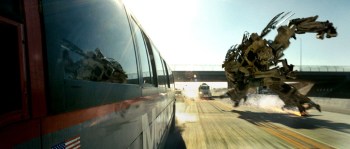 We’ve been producing Culture Snob for more than four years now, and I’ve come to a sad realization: I’m tired of movies.
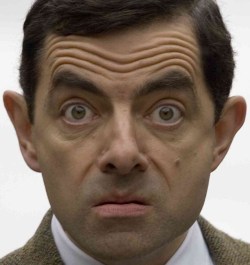 We’ll use this week’s Box Office Power Rankings – topped, for the fourth consecutive week, by The Bourne Identity – to illustrate how the formula works. To assist us: Mr. Bean, pictured to the right.
 (An experiment in theft [or fair use] and editing as part of
  Piper at
 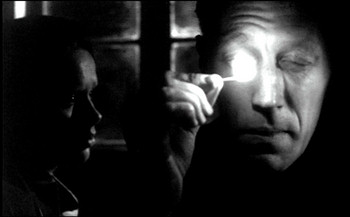 The deaths last week of movie writers and directors Ingmar Bergman and Michelangelo Antonioni have incited