Rather Routine
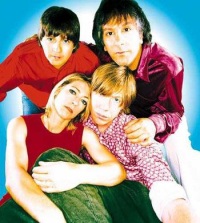 In Slate.com, Hua Hsu concisely articulates my boredom with Sonic Youth’s highly regarded (and moronically titled) new record, Rather Ripped.
Tagged: Rather Ripped, Reviews, Sonic Youth

In Slate.com, Hua Hsu concisely articulates my boredom with Sonic Youth’s highly regarded (and moronically titled) new record, Rather Ripped.
If we’re comparing Superman and Christ, let’s not ignore what seems a fairly blatant artistic reference in the current campaign for Superman Returns, to Salvador Dali’s Christ of St. John of the Cross and Crucifixion.
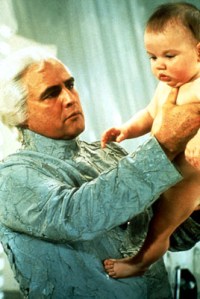 Jim Emerson directed me to this fascinating article from The Journal of Religion and Film. The piece is remarkable less for its topic – a comparison of Superman to Jesus Christ – than its approach. In its analysis, the thorough, sometimes smart, and often laughable article uses the first two Christopher Reeve Superman movies as its text for the Man of Steel. That’s akin to using the movie The Last Temptation of Christ as the authoritative source on Jesus’ life.
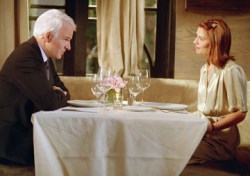 Two movies live in Shopgirl. One is a creepy but strangely touching May-December romance between Claire Danes and Steve Martin. The other stars Danes and Jason Schwartzman in a screwball comedy, with an intrusive, superfluous voice-over. The first of these movies is surprisingly good; the second sucks. Plus: Silent Hill, another schizophrenic film.
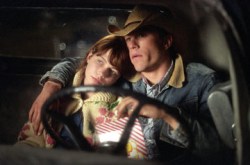 Both Brokeback Mountain and Munich are patient, well-made genre movies that strip most of the politics out of charged subjects. Sadly, both are also botches.
I just started watching Deadwood this week – late adopter and all – but found this essay compelling. Comparing the show to both Shakespeare and the first two parts of The Godfather, Andrew Dignan offers trenchant insights not only about HBO’s western series but about the Bard and Coppola’s movies.
“Not with a bang … not even a whimper … it was more like a wet fart.” There’s little point in trying to improve on this opening sentence from the House Next Door’s review of the kinda sorta season finale of The Sopranos.
In an aimless, nearly endless essay (more than 3,000 words), Wagstaff brings up some fascinating questions in what mostly functions as a personal remembrance of the circumstances of watching movies: “Most film criticism is rightly focused on the movie itself. The purpose of this essay is to clear a little spot of ground for the circumstances that surround watching a movie, the things that affect so strongly how we see it.”
 I know Wolf Creek doesn’t seem like an appropriate destination for cultured – and sensible! – people such as you and me, but allow me to make a case for visiting this remote area of the Australian Outback in your cinematic travels.
Back in November, I fretted that Lost would suffer from what I dubbed the “endless hit-TV-series death march. “Oh, my prescience!