
A Postscript on Candyman (Or: The Trouble with Me)
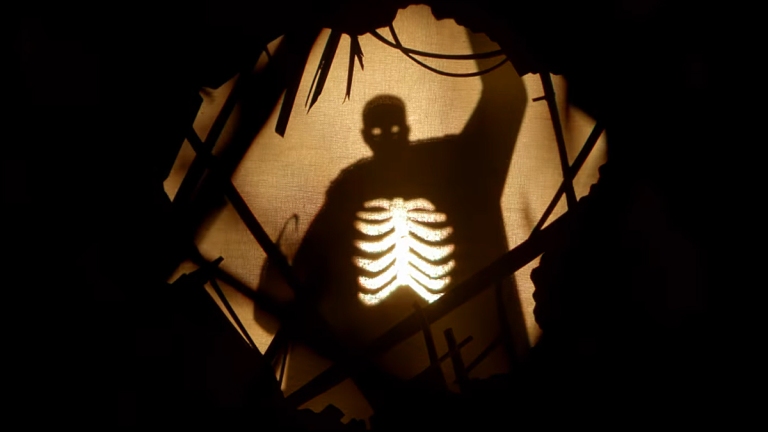
A friend made me feel really stupid about my review of the new Candyman. He said I was “way wrong about a lot of fundamental things.” Pressed to explain, he wrote: “In a nutshell, that the movie was designed for people like you and me – for a prototypical white-person audience. I’d argue that that’s the very reason DaCosta doesn’t give us the scenes we expect, and why the only violence we see is directed toward white people. Black people don’t NEED to see more violence toward Blacks. It’s fine for it to be implied.”
Tagged: Candyman, Horror, Jordan Peele, Nia DaCosta, Race, Racism, Ways of Watching
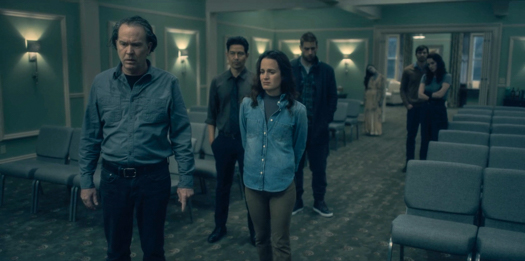 Revisiting Netflix’s The Haunting of Hill House helped clarify the fundamental dissonance of the show – that running counter to its hopeful, tidy conclusion is something far messier in both its ghost and family stories. Yet the early episodes carve out room for readings that substantially darken the whole, undermining without negating the tone of its final minutes.
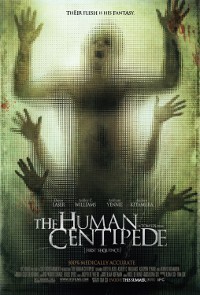 How is The Human Centipede (First Sequence) not among the most transgressive and repulsive movies ever made? For those not familiar with the premise of writer/director Tom Six’s feature, there’s no reason to be coy about it. The Internet Movie Database plot summary of The Human Centipede
 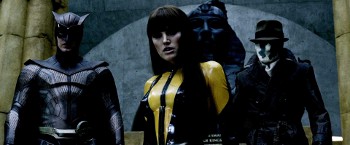 When I say that the filmed version of Watchmen and the horror remake Quarantine are faithful to the point of tedium, I intend that largely as a compliment. Great talent, care, time, and money have been spent not fixing what ain’t broke. Considered separate from their sources, both movies work. But they’re damned depressing.
 Lars von Trier’s Antichrist in 560 characters over four Tweets: descriptive, positive, a turning point, and ultimately (in both the “finally” and “fundamentally” senses of the word) negative.